
November 10, 2025, 11:26 PM | Commercial Times | By Yi-Yen Hsieh
______
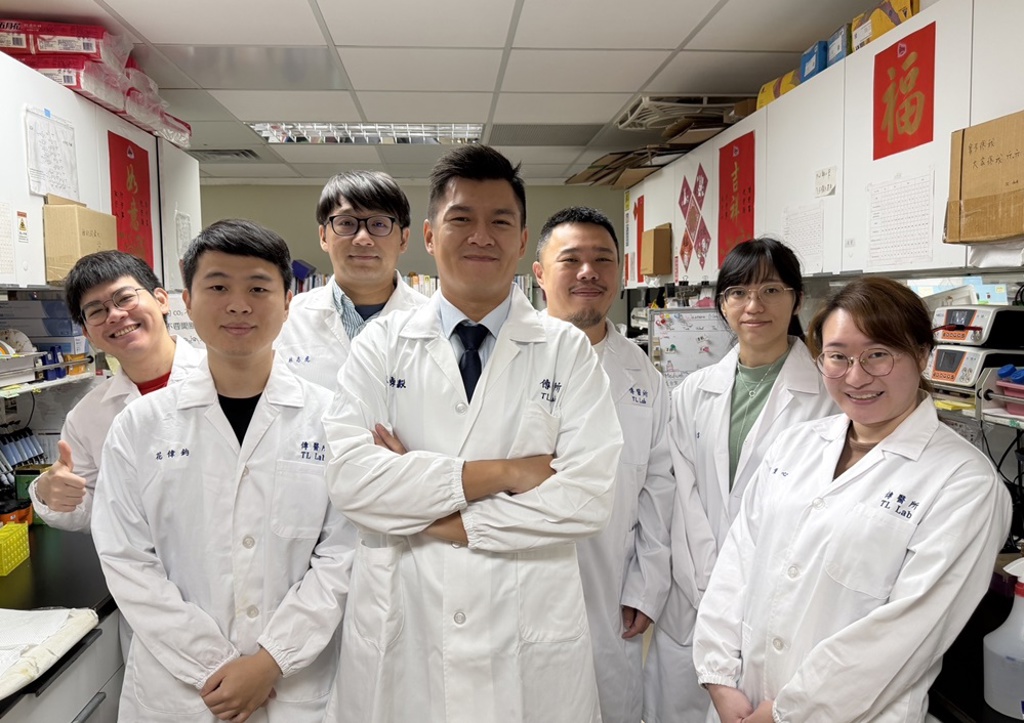
A research team led by Director Prof. Tung-Yi Lin from the Institute of Traditional Medicine, NYCU College of Medicine, has recently demonstrated that the Ganoderma microsporum immunomodulatory protein (GMI) can promote PD-L1 degradation, thereby inhibiting tumor growth and enhancing the immune system’s ability to attack cancer cells. The study not only uncovers a novel anticancer mechanism derived from an edible fungal protein but also highlights its substantial potential in clinical translation and functional food development. The findings have been published in the International Journal of Molecular Medicine.
The 2018 Nobel Prize in Physiology or Medicine recognized the scientists who discovered immune checkpoints, revealing how cancer cells evade immune attack by overexpressing the checkpoint ligand PD-L1 to suppress T-cell activity. Building on this mechanism, the research team investigated whether GMI plays a critical role in modulating immune checkpoints.
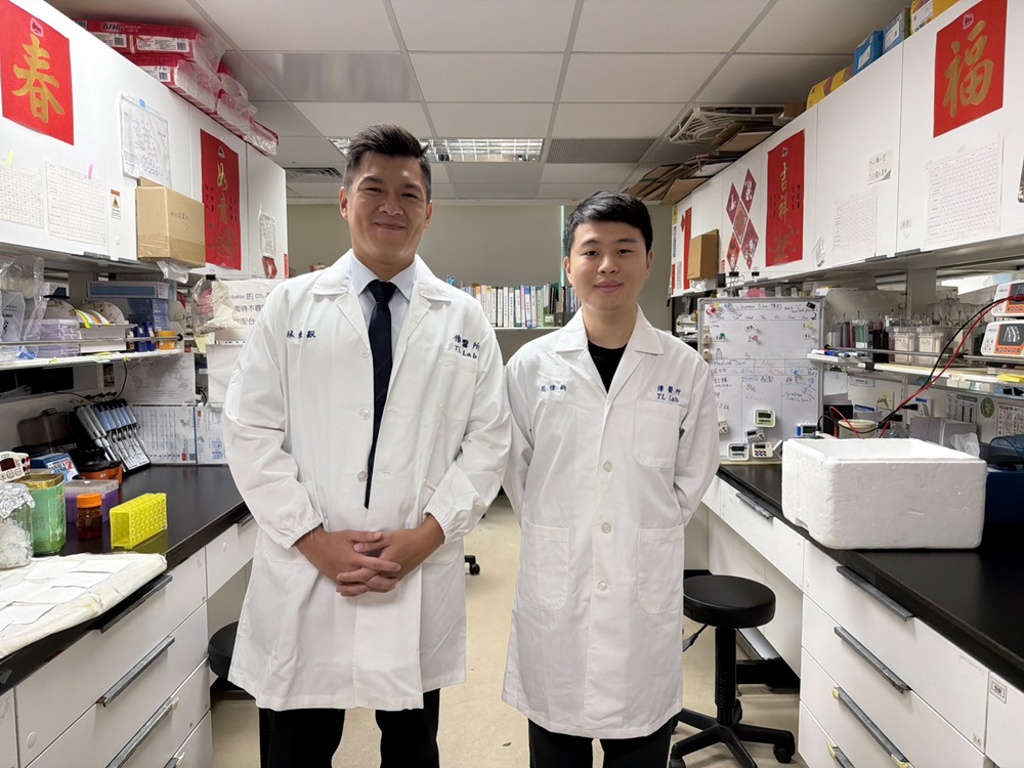
Prof. Dong-Yi Lin (left), Director of the Institute of Traditional Medicine, College of Medicine, National Yang Ming Chiao Tung University, and Dr. Wei-Jun Hua, first author of the study. (Photo/Provided by NYCU)
Dr. Wei-Jyun Hua, the first author of the study, explained that GMI simultaneously downregulates PD-L1 mRNA and protein stability in lung cancer cells, activating a GSK3β-mediated proteasomal degradation pathway that ultimately reduces PD-L1 expression on the cancer cell membrane. This makes cancer cells more vulnerable to T-cell attack. Through animal and ex vivo experiments, the team confirmed that GMI effectively slows tumor growth, enhances CD8⁺ cytotoxic T-cell infiltration, and strengthens antitumor immune responses. These results establish GMI as a novel “PD-L1 degrader” and provide a promising foundation for developing future adjuvant immunotherapies and functional food applications.
Based on these innovative findings, Prof. Lin’s team has been granted a Taiwan patent titled “Method for Treating PD-L1 Expressing Cancer” (Patent No. I870704), marking the world’s first therapeutic strategy utilizing an edible fungal protein to modulate PD-L1 degradation. This patented technology demonstrates GMI’s potential to bridge cancer immunotherapy with health applications, offering advantages such as high safety, oral availability, and clinical development prospects.
This breakthrough research represented Taiwan at WorldInvent Singapore 2025, competing under the title “Targeting PD-L1 Degradation: An Edible Fungal Protein (GMI)-based Strategy for Tumor Suppression.” The project received the Gold Medal, recognizing its international impact in cancer immunoregulation and innovative drug development.
Prof. Lin emphasized that GMI is currently the only fungal immunomodulatory protein approved by Taiwan’s Ministry of Health and Welfare as a food ingredient and recognized by the U.S. FDA as a New Dietary Ingredient (NDI). With both nutritional and therapeutic potential, the team will continue advancing preclinical studies and interdisciplinary collaborations, aiming to develop safe and effective natural compounds that open new avenues in cancer immunotherapy and enhance Taiwan’s global competitiveness in integrative traditional and biomedical research.
Source: Commercial Times